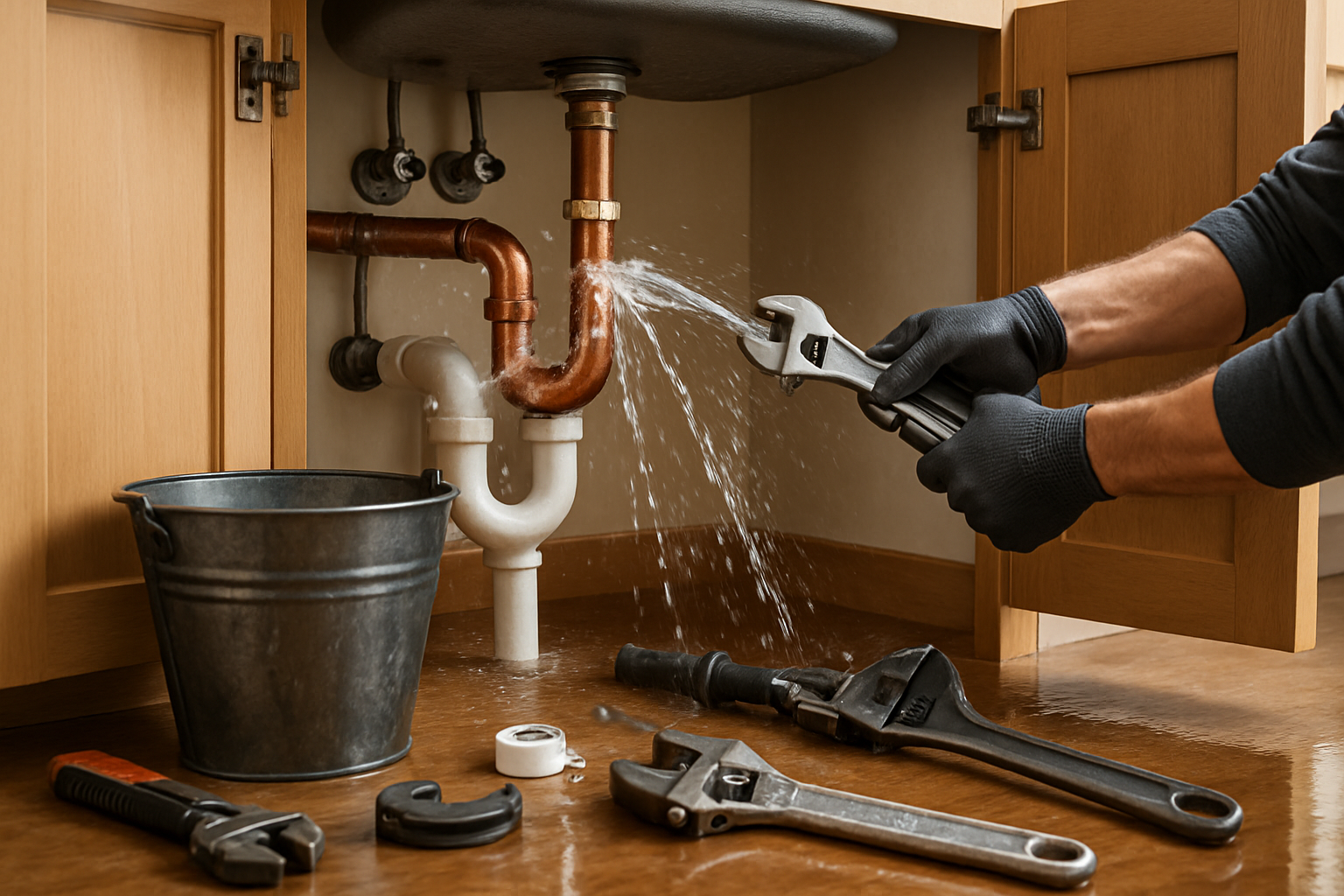
Ignoring a minor plumbing quirk can quickly escalate into structural flooding, toxic mold infestation, and thousands of dollars in property repair bills. Knowing exactly when a routine issue morphs into a full-scale emergency saves your home from catastrophic damage and protects your family’s health. While minor drips can wait until normal business hours, severe warning signs demand immediate professional intervention to shut down water lines, diagnose main line failures, and restore your plumbing infrastructure.
- Uncontrollable Water Flow or Burst Pipes
A burst pipe is the absolute highest priority in residential plumbing emergencies, capable of discharging hundreds of gallons of water into your living space within minutes. Freezing temperatures, severe pressure spikes, or aging pipe corrosion can cause copper or PVC lines to split suddenly. Water quickly saturates drywall, ruins hardwood flooring, and destroys electrical wiring hidden inside your walls.
Shut off your main water valve immediately if you see gushing water or hear a loud rushing noise within your walls. Calling an emergency plumbing specialist right after isolating the valve ensures a technician replaces the ruptured section, inspects surrounding pipes for pressure stress, and safely verifies your system before you turn the main supply back on.
- Multiple Clogged Drains or Sewage Backup
A single slow sink drain is a minor inconvenience, but multiple fixtures backing up simultaneously indicate a severe blockage deep in your main sewer line. When wastewater cannot pass through the primary line, toilet flushes can force raw sewage upward through shower drains and floor traps. Sewage backups carry harmful pathogens and bacteria that pose immediate environmental hazards to your home.
Avoid using any sinks, showers, or toilets if you notice wastewater coming up through ground-floor drains. Emergency plumbers use specialized sewer cameras and high-pressure hydro-jetting equipment to clear heavy tree root intrusions or massive grease blockages, restoring safe flow out to the municipal line or septic tank.
- Sagging Ceilings and Sudden Water Stains
Discolored rings, bulging plaster, or dripping water coming from upper-story ceilings signal an active, hidden pipe failure above your living quarters. Water pools silently on top of drywall until the material weakens under the weight, leading to sudden ceiling collapses. Overhead leaks often stem from upstairs bathroom drain lines, pressurized supply pipes, or failing shower pans.
Place buckets under the damp area and puncture a small pinhole in the center of a sagging ceiling to relieve pooled water weight safely. Calling a emergency specialist immediately allows them to locate the leaking pipe behind wall cavities using thermal imaging tools, fixing the source before dangerous structural mold begins colonizing floor joists.
- Complete Loss of Water Pressure
A sudden drop in water pressure across all household faucets points to a massive break in your main incoming water line or a municipal distribution failure. If your neighbors still enjoy normal pressure, the breach lies within your property boundaries. Underground leaks wash away soil foundation support, create sinkholes in yards, and flood home crawlspaces without warning.
Leave your main valve closed to prevent further ground saturation while an expert pinpoints the underground breach. Emergency plumbers use acoustic leak detection gear to isolate the damaged pipe beneath concrete slabs or lawns, completing repairs without unearthing your entire yard.
- Water Heater Leaks or Rumbling Noises
A leaking water heater tank threatens catastrophic basement flooding and severe electrical hazards. Sediment buildup at the bottom of an older heater creates localized hotspots, fracturing the glass lining and allowing water to corrode through the outer steel shell. Rumbling or boiling noises signal trapped steam pockets under dense mineral layers, warning of potential pressure relief valve failures.
Turn off the power supply or gas valve to the water heater and shut off its cold water inlet valve immediately. An emergency team drains the tank safely, relieves built-up pressure, and replaces faulty temperature-pressure valves or installs a modern, high-efficiency replacement tank.
Conclusion
Plumbing emergencies escalate quickly, turning manageable pipe repairs into costly home restoration projects if left unaddressed. Recognizing warning signs like sewer gas odors, sudden pressure drops, and ceiling stains empowers you to react swiftly, minimizing property damage and health risks. Shutting off your main supply line at the first sign of trouble buys critical time while an expert travels to your home.
A professional emergency plumber possesses the specialized diagnostic tools, heavy machinery, and technical training required to isolate complex failures and restore your home’s water systems safely. Trusting an experienced specialist during a crisis ensures durable repairs that protect your home’s structural integrity and peace of mind.
About the Author