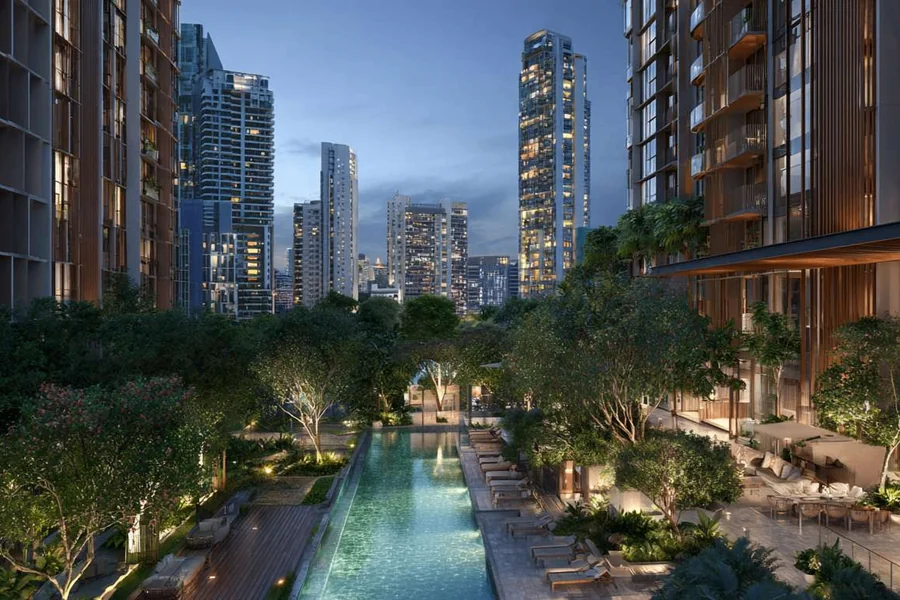
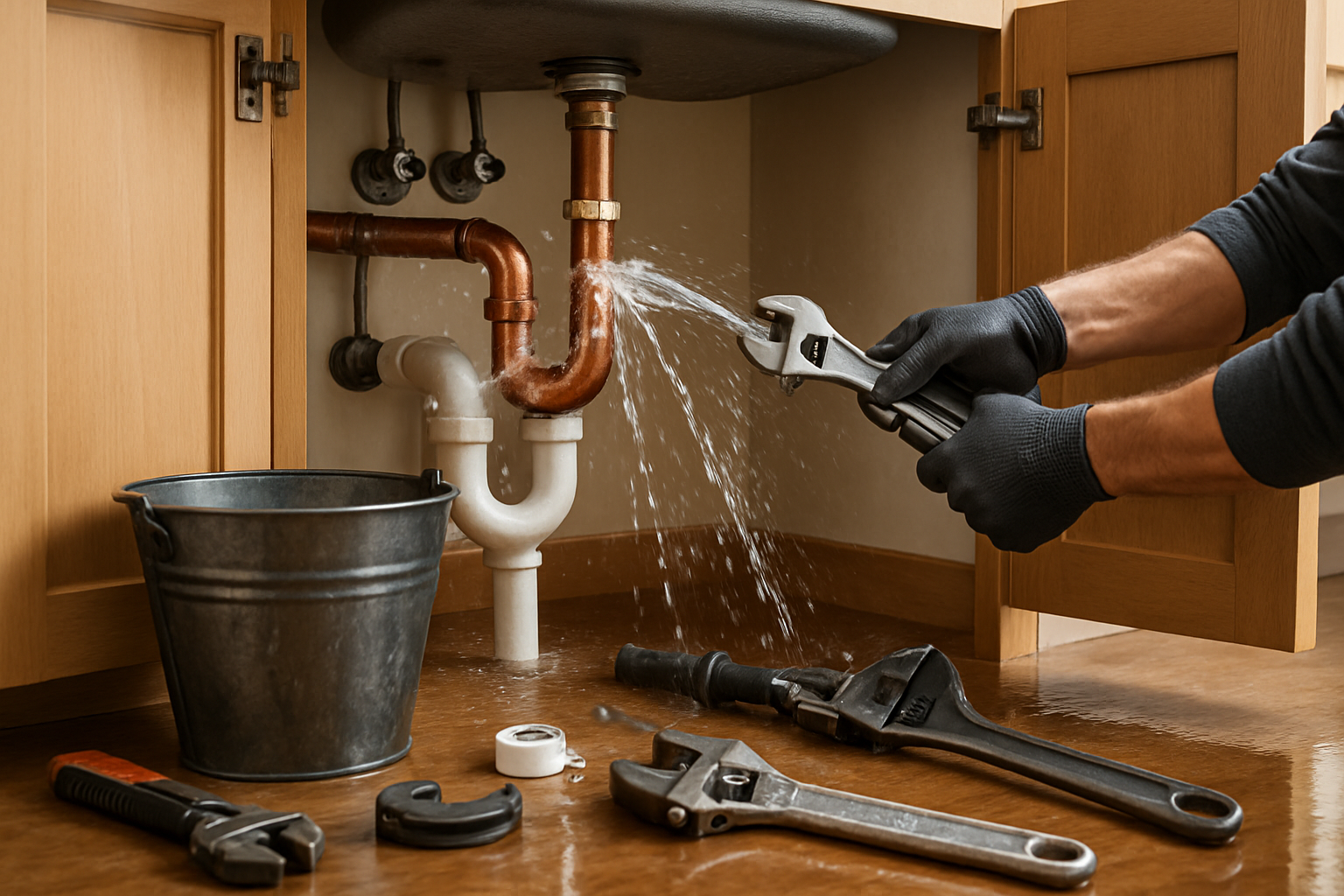
Sustainability is no longer just a trend—it’s a lifestyle. As more homeowners embrace environmentally conscious choices, eco-friendly renovation ideas are becoming a game-changer in home improvement. Whether you’re looking to reduce energy consumption, repurpose materials, or minimize waste, there are countless ways to create a stylish and sustainable home. From green home upgrades to sustainable remodeling techniques, these practical solutions will help you design an eco-conscious space without sacrificing comfort or beauty.
1. Upgrade to Energy-Efficient Lighting
Lighting plays a crucial role in both aesthetics and energy consumption. Swapping out old bulbs for energy-saving home ideas like LED or CFL bulbs can drastically reduce electricity use.
- LED bulbs last longer than traditional incandescent bulbs, cutting down on waste.
- Smart lighting systems allow you to control brightness and energy usage with ease.
- Natural light maximization through sheer curtains or skylights minimizes artificial lighting needs.
A simple lighting upgrade can instantly make your home more efficient and environmentally friendly.
2. Use Reclaimed and Recycled Materials
Nothing says sustainable remodeling quite like repurposing materials. Reclaimed wood, salvaged bricks, and recycled glass can bring character and uniqueness to any home.
- Reclaimed wood flooring adds rustic charm while reducing deforestation.
- Upcycled furniture gives old pieces new life, reducing landfill waste.
- Recycled glass countertops are a stylish alternative to conventional stone surfaces.
These small changes can make a big impact on both sustainability and design.
3. Install a Smart Thermostat
Energy efficiency starts with smart technology. A programmable thermostat optimizes heating and cooling, ensuring energy isn’t wasted when you’re away.
- Adjust temperatures remotely to match your lifestyle and save energy.
- Zone heating and cooling keep different areas comfortable without overuse.
- Learning thermostats analyze your habits and adjust settings automatically for maximum efficiency.
This eco-friendly renovation not only lowers energy bills but also reduces your carbon footprint.
4. Choose Low-VOC Paints and Finishes
Traditional paints release harmful volatile organic compounds (VOCs) into the air, affecting indoor air quality. Low-VOC and non-toxic paints are a healthier alternative.
- Better air quality leads to fewer allergies and respiratory issues.
- Water-based finishes minimize harmful emissions compared to oil-based options.
- Natural clay or milk paint options add a unique aesthetic while being eco-conscious.
A fresh coat of paint doesn’t have to come at the expense of your health or the environment.
5. Upgrade to Energy-Efficient Windows
Old, drafty windows are a major source of energy loss. Investing in green home upgrades like energy-efficient windows can improve insulation and reduce heating and cooling costs.
- Double-glazed windows help maintain indoor temperatures.
- Low-E coatings reflect heat, keeping your home cooler in summer and warmer in winter.
- Weather stripping and caulking prevent air leaks and improve efficiency.
This upgrade pays for itself over time with lower energy bills.
6. Embrace Water-Saving Solutions
Water conservation is a key aspect of sustainable living. Installing water-efficient fixtures and appliances can significantly reduce your household’s water usage.
- Low-flow showerheads and faucets cut down on unnecessary water waste.
- Dual-flush toilets offer adjustable flushing options to minimize water consumption.
- Rainwater harvesting systems collect and store rainwater for gardening or outdoor cleaning.
Reducing water waste is an easy way to contribute to a greener planet.
7. Invest in Solar Power
Renewable energy is the future, and solar panels are leading the way. While the upfront cost may seem high, the long-term benefits are undeniable.
- Lower electricity bills mean significant savings over time.
- Tax credits and incentives make solar installations more affordable.
- Off-grid capabilities increase energy independence and reliability.
Harnessing solar energy is one of the most impactful energy-saving home ideas you can implement.
8. Opt for Sustainable Flooring Choices
Flooring is a fundamental part of any home, and sustainable options are both durable and stylish.
- Bamboo flooring is fast-growing and highly renewable.
- Cork flooring provides a cushioned feel and natural antimicrobial properties.
- Recycled carpet tiles offer a low-waste alternative to traditional carpeting.
These options ensure beauty, longevity, and sustainability in one package.
9. Improve Indoor Air Quality with Houseplants
Plants do more than just add greenery—they actively purify the air.
- Aloe vera and snake plants remove toxins while requiring minimal maintenance.
- Peace lilies and spider plants improve oxygen levels indoors.
- Herb gardens in the kitchen provide fresh ingredients while enhancing air quality.
Nature’s air filters can transform your living space into a healthier home.
10. Insulate for Year-Round Comfort
A well-insulated home requires less energy to heat and cool. Simple insulation upgrades can make a dramatic difference in your energy efficiency.
- Spray foam insulation seals gaps and prevents air leaks.
- Wool or recycled cotton insulation offers a non-toxic, sustainable alternative.
- Thermal curtains keep indoor temperatures stable, reducing heating and cooling demands.
Proper insulation ensures year-round comfort while lowering energy use.
Final Thoughts
Sustainability starts at home. By incorporating eco-friendly renovation ideas, investing in green home upgrades, and embracing sustainable remodeling, you can create an energy-efficient, stylish, and environmentally responsible living space. With these energy-saving home ideas, small changes lead to big impacts—both for your home and for the planet. Make the switch today and enjoy a greener, healthier, and more cost-effective home!
About the Author