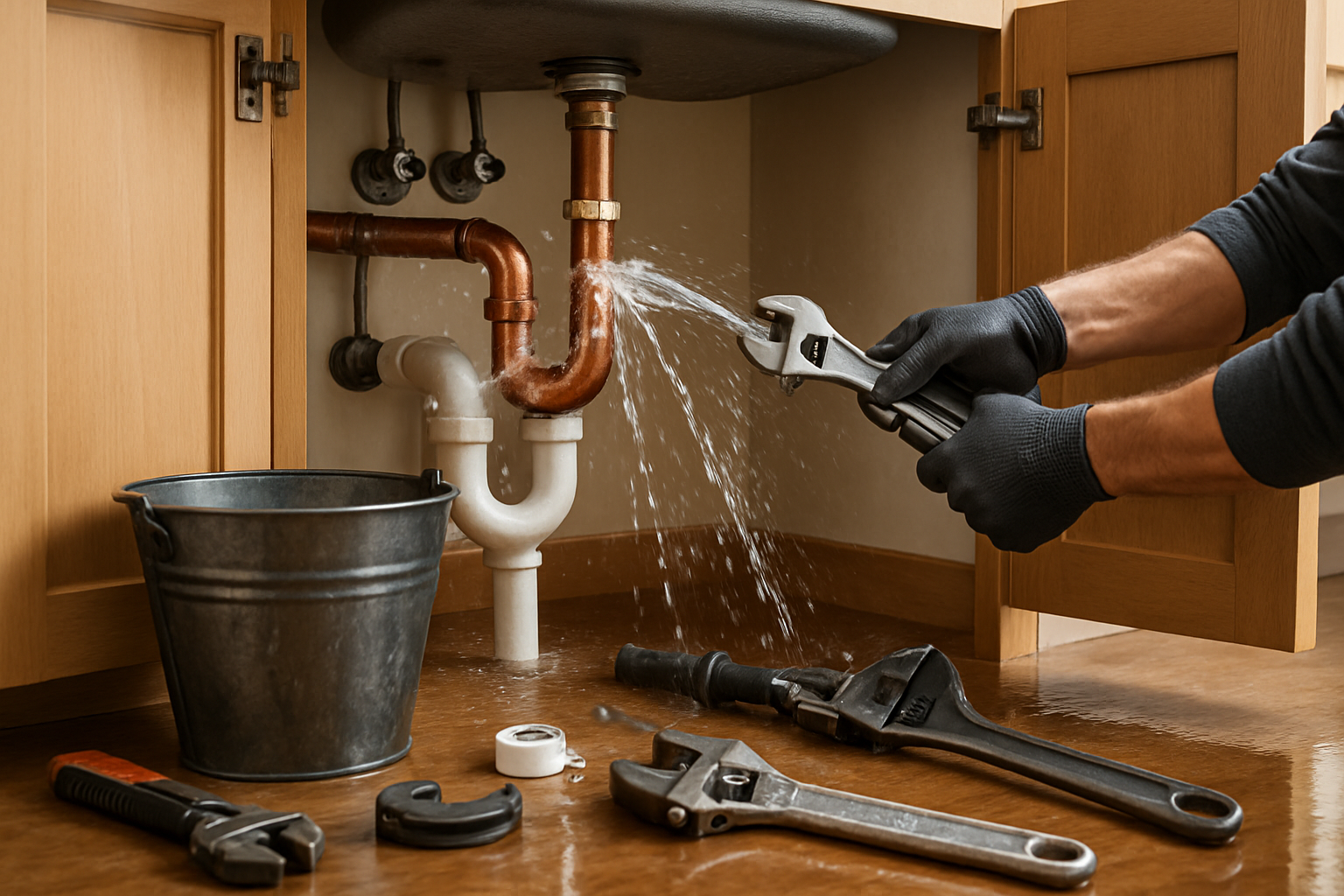
Government Grants for Home Repairs: What You Need to Know homeownership comes with its fair share of joys and responsibilities, but one of the more challenging aspects is keeping up with repairs and maintenance. Over time, homes require updates to ensure they remain safe, energy-efficient, and comfortable to live in. However, home repairs can often come with a hefty price tag, especially when it comes to critical issues such as plumbing, roofing, or electrical systems. This is where government grants for home repairs can make a significant difference. These grants offer financial assistance to homeowners who need to repair or renovate their homes but may lack the resources to do so on their own.
This article serves as an essential guide to understanding government grants for home repairs. It covers various programs available, eligibility requirements, the application process, and how these grants can benefit homeowners in maintaining their properties without the burden of financial stress.
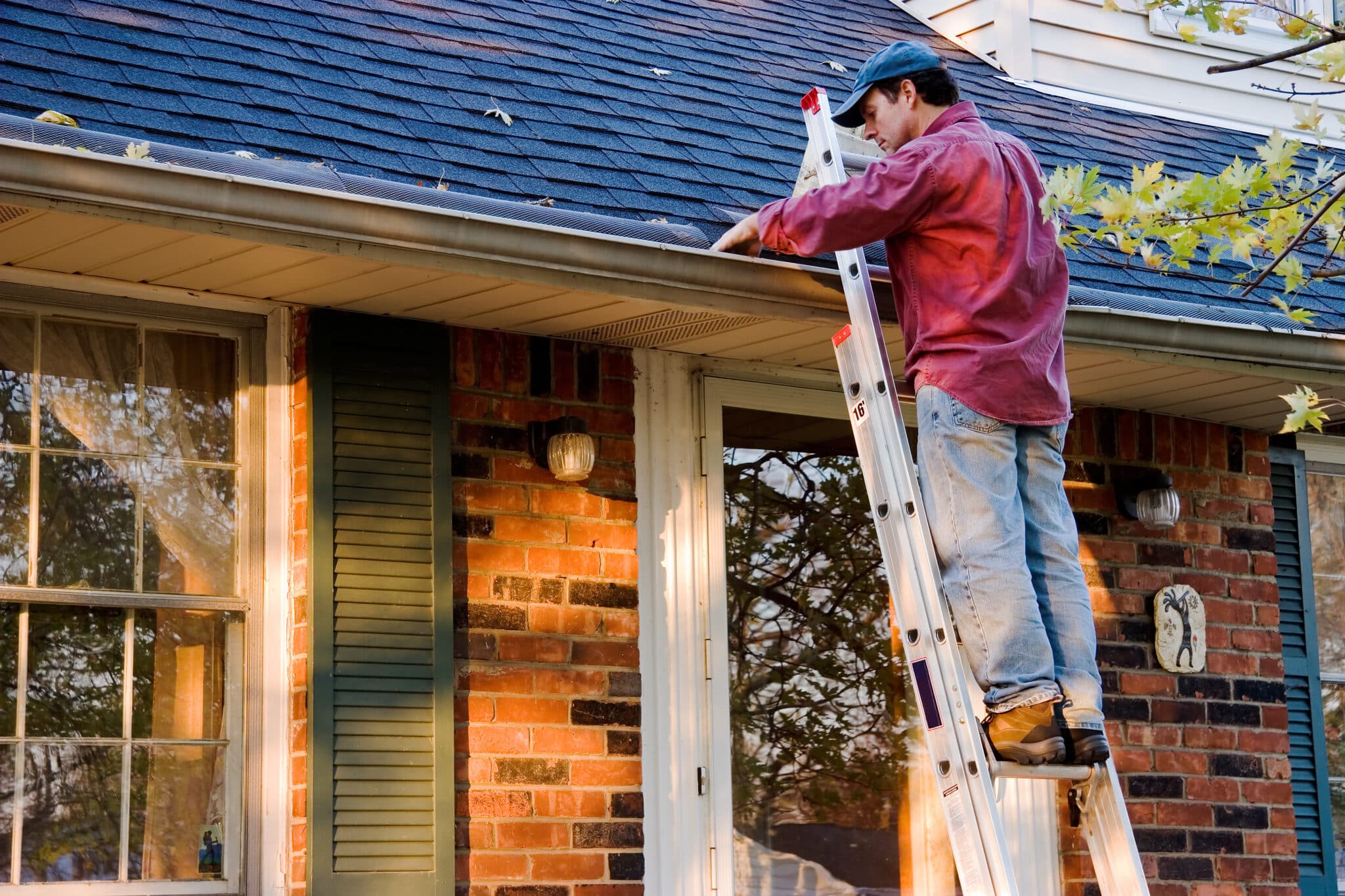
What Are Government Grants for Home Repairs?
Government grants for home repairs are financial assistance programs provided by federal, state, or local governments to help homeowners pay for necessary repairs and renovations. These grants do not need to be repaid, making them an invaluable resource for those in need of financial assistance. The primary goal of these grants is to help homeowners maintain a safe living environment, improve energy efficiency, and enhance the overall quality of their homes, especially for low-income or vulnerable populations.
Grants can cover a variety of home repairs, including:
- Roof repairs
- Plumbing and electrical updates
- Foundation and structural repairs
- Energy-efficient upgrades
- Accessibility modifications for elderly or disabled homeowners
Since these grants are typically aimed at low-income families or individuals, they are designed to address pressing issues that impact the health, safety, and stability of the home.
Types of Government Grants for Home Repairs
There are several types of government grants for home repairs, each tailored to meet specific needs. Whether you’re looking to improve the energy efficiency of your home, repair a leaky roof, or make your home more accessible, there is likely a program that can help. Below are some of the most common types of grants available:
1. Federal Housing Grants
At the federal level, there are a variety of grants designed to assist homeowners in repairing their homes. One of the most well-known programs is the U.S. Department of Agriculture (USDA) Rural Development Housing Repair and Rehabilitation Program. This program provides grants to low-income homeowners in rural areas to make necessary repairs. The amount of the grant depends on the extent of the repairs and the homeowner’s income.
Another popular federal program is the Department of Housing and Urban Development (HUD) Community Development Block Grant (CDBG) program. This program provides funds to local governments, which can then be used to assist homeowners with home repairs and improvements. These grants focus on areas that have a large number of low-income residents, providing funding for repairs and renovations that improve the living conditions of these households.
2. State-Level Grants for Home Repairs
In addition to federal programs, many states offer their own government grants for home repairs. These state-level grants are often targeted toward specific regions or groups, such as elderly homeowners, veterans, or people with disabilities. Each state administers its own programs, so eligibility requirements and the types of repairs covered can vary.
For example, New York State offers the Homeowner Assistance Fund, which helps low-income homeowners who have fallen behind on mortgage payments or need funds for repairs. In California, the California Housing Finance Agency offers assistance for home repair loans and grants for qualifying individuals. These state-level programs often provide more specific benefits depending on regional needs and local economic conditions.
3. Local and County-Level Grants
Many counties and cities also have grant programs to assist with home repairs. These local programs are often designed to address specific issues within a community, such as aging infrastructure or housing in disrepair. Local governments frequently partner with federal or state programs to help homeowners access the funds they need.
Local grant programs may provide assistance for repairs that improve safety, health, or energy efficiency. For example, some municipalities offer funding for lead paint removal in older homes, or for the installation of energy-efficient windows and insulation. In areas prone to natural disasters, local programs may focus on repairs related to storm damage or other environmental hazards.
4. Veterans and Senior Home Repair Grants
There are also specialized government grants for home repairs available to veterans and senior citizens. Veterans who have served in the U.S. military may be eligible for home improvement grants through the Veterans Affairs (VA) Home Improvement and Structural Alterations (HISA) program. This program provides funding for veterans with service-related disabilities to make necessary home modifications or repairs to improve accessibility and safety.
For senior citizens, many states and local governments offer grants to help them maintain their homes as they age in place. These grants can be used for everything from installing grab bars in bathrooms to repairing faulty electrical systems. Such programs ensure that elderly homeowners can continue to live independently while keeping their homes safe and functional.
5. Energy Efficiency Grants
If you’re looking to make your home more energy-efficient, there are several government grants for home repairs that focus specifically on reducing energy consumption. Programs like the Weatherization Assistance Program (WAP), administered by the U.S. Department of Energy, provide grants for homeowners to make energy-efficient improvements such as insulation, window replacements, and heating and cooling upgrades. This program is especially beneficial for low-income households that struggle to pay high energy bills.
The Energy Star program, which is part of the Environmental Protection Agency (EPA), also offers financial incentives for making energy-efficient home upgrades. Homeowners who install energy-saving appliances or undertake energy-efficient renovations may be eligible for rebates and tax credits, in addition to the weatherization grants.
Eligibility Requirements for Government Grants for Home Repairs
While government grants for home repairs are incredibly valuable, they are not available to everyone. These programs are generally designed to assist low-income homeowners, elderly individuals, veterans, and those living in rural or underserved communities. However, eligibility requirements can vary depending on the specific program and the type of assistance you’re seeking.
Here are some common eligibility criteria:
1. Income Limitations
Many government grants for home repairs are aimed at low-income families. Income eligibility is typically based on your household’s total income, the size of your household, and the area in which you live. In general, your income must fall below a certain threshold to qualify for assistance. Some programs also prioritize individuals with very low incomes or those living in areas of high poverty.
2. Homeownership Status
To qualify for most home repair grants, you must be the homeowner of the property in need of repair. Renters or tenants typically do not qualify for these grants, although there are other programs available to assist renters with housing-related issues.
3. Location
Some grants, especially federal and state-level programs, are only available in certain geographic areas. For example, the USDA’s Rural Development Housing Repair and Rehabilitation Program is only available to homeowners in rural areas. Local programs may focus on specific neighborhoods or municipalities that have high concentrations of low-income residents.
4. Specific Repair Needs
Eligibility may also depend on the type of repair needed. For example, grants for weatherization are typically only available for energy efficiency upgrades, while home repair grants from local governments might focus on issues related to health and safety, such as lead paint removal or plumbing repairs.
5. Age and Disability
Certain programs prioritize elderly homeowners or individuals with disabilities. For example, the VA Home Improvement and Structural Alterations (HISA) program provides assistance to disabled veterans, and many state programs prioritize elderly residents who need home modifications to age in place.
How to Apply for Government Grants for Home Repairs
Applying for government grants for home repairs requires careful preparation and understanding of the application process. While each program may have its own specific application procedures, there are some general steps that can guide you through the process.
1. Research Available Programs
Start by researching the various government grant programs available to you. Depending on your location and specific needs, you may be eligible for federal, state, or local assistance. Be sure to check eligibility requirements, grant amounts, and the types of repairs covered.
2. Gather Necessary Documentation
Most grant programs require specific documentation to prove your eligibility. Common documents may include proof of income, proof of homeownership, tax returns, and information about the repairs you need. If you’re applying for a weatherization grant, you may also need to provide energy bills or an energy audit report.
3. Submit Your Application
Once you’ve gathered all necessary documents, submit your application according to the program’s guidelines. This may involve filling out an online form, submitting paperwork through a local office, or contacting a program representative for assistance.
4. Follow Up
After submitting your application, be sure to follow up with the relevant agency to ensure your application has been received and is being processed. Some programs may require additional documentation or clarification, so it’s important to stay proactive throughout the process.
5. Wait for Approval
Once your application is reviewed, you will receive notification about whether or not you have been approved for the grant. If approved, the agency will outline the next steps, including how and when you will receive the funds for your repairs.
Government grants for home repairs provide an invaluable lifeline for homeowners who are in need of essential repairs but lack the financial means to carry them out. Whether you are looking to upgrade your home for energy efficiency, make essential structural repairs, or improve accessibility for a loved one, these grants can help alleviate the financial burden of homeownership.
By understanding the various types of grants available, eligibility requirements, and the application process, you can take the first steps toward making your home a safer, more comfortable place to live. Don’t let financial constraints prevent you from keeping your home in good condition—explore the government grant opportunities that can make your repairs possible today.
About the Author